
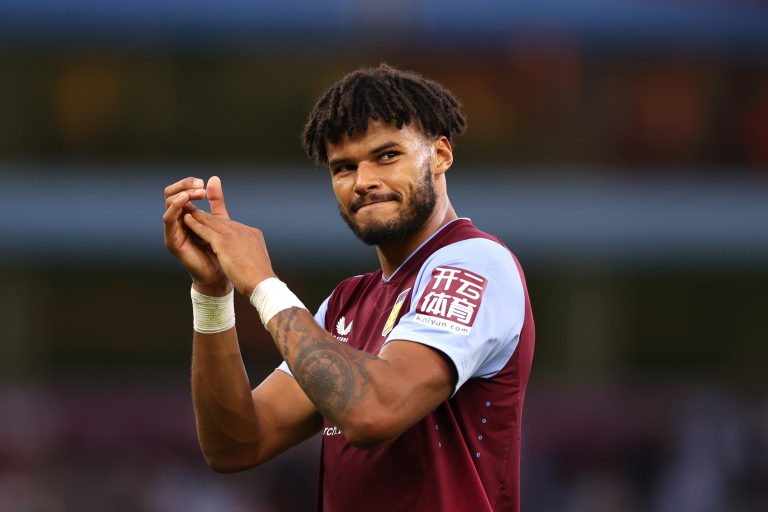
Aston Villa opened the 2026/27 season with an unfamiliar shirt front. Visit Rwanda has replaced Betano as principal partner in a deal reported at up to £20m a season, and this is the first Premier League campaign played under the collective ban on gambling sponsors on the front of matchday shirts.
That reshuffle is a small window into a much larger ledger: who pays for a Premier League season, and how much of it comes out of supporters’ pockets. It also arrives as Ireland rebuilds its betting rules, and Irish Villa fans who want to know which sports betting sites now hold a licence can find out more through comparison platforms such as Betiton.
A shirt front changes, the commercial pressure does not
The agreement all 20 clubs signed in April 2023 is narrower than the headlines suggested at the time. It covers the front of matchday shirts and nothing else. Betting brands can still appear on sleeves, on training wear, on pitchside boards and across club partnerships, provided those arrangements meet advertising and licensing rules.
Villa are the clearest illustration in the league. Betano occupied the front of the shirt from 2024 under a deal reported at around £20m a year. Kaizen Gaming, the operator behind the brand, extended its association with the club rather than ending it, moving to the left sleeve for 2026/27. The money did not leave the building. It moved a few inches.
Eleven of the 20 clubs carried a betting brand on their chest last season. None do now. Finance has become the largest single sector on Premier League shirt fronts, airlines are next, and a handful of clubs started the campaign with the space unsold. Estimates put the league-wide shortfall at roughly £80m a year, because the replacement sectors have not matched what gambling operators were paying.
Villa’s own position strengthened rather than weakened. An independent assessment of fair market value put the club’s front-of-shirt worth at £26.2m for 2026/27, up from £23.2m, driven by the Europa League title, the return to the Champions League and the Super Cup meeting with Paris Saint-Germain.
Where a £6.8bn season actually comes from
The Deloitte Annual Review of Football Finance put Premier League clubs’ combined revenue at £6.8bn in 2024/25, an 8% rise, and expects the figure to pass £7bn once the 2025/26 accounts land. The mix matters more than the total.
Broadcast income was £3.4bn and remains the foundation of the whole structure. The current UK rights cycle, shared by Sky Sports and TNT Sports, is worth £6.7bn across four years from 2025/26 and covers up to 270 live matches a season.
Commercial revenue, the category shirt sponsorship sits in, grew fastest: up 13% to £2.4bn, with the traditional big six taking almost three-quarters of it. That concentration explains why a £20m shirt deal matters so much to a club trying to close the gap on them.
Matchday revenue passed £1bn for the first time, a 15% rise. That is the line supporters fund directly, and Deloitte credits the growth partly to enhanced hospitality and to what it describes as consistent season-on-season ticket price increases.
Against all of that, wage costs hit a record £4.4bn, or 65% of revenue, and clubs posted aggregate pre-tax losses of £948m. Record income has not produced comfort.
What a season costs the supporter
Villa confirmed a 5% increase across season tickets, match-by-match prices and Champions League tickets for 2026/27, a fifth consecutive year of rises, with the most expensive season ticket now close to £1,000. The full 2026/27 pricing detail was published in May.
The package came with affordability measures agreed alongside the club’s Fan Advisory Board: a 23-game season ticket covering the four Champions League league-phase fixtures at a 10% saving on buying them individually, concession pricing extended into Price Zone 1, the senior concession age frozen at 66, domestic cup prices frozen for a third season, and a guaranteed freeze on match-by-match prices for 2027/28.
Supply is the sharper problem this year. With the North Stand closed for redevelopment across the whole campaign, Villa Park is working at about 37,000, and average general-sale availability for Premier League fixtures is expected to be roughly 3,600 tickets. More than 9,000 season tickets were renewed on day one of sales, a club record.
Away travel is the one cost the league itself has capped. In March 2026 clubs voted unanimously to extend the £30 ceiling on away tickets for a further two seasons, to the end of 2027/28, taking it to 12 consecutive seasons. Away attendance has climbed from 82% to 91% since the cap arrived in 2016. Trains, fuel and hotel rooms carry no such ceiling.
Betting culture is being rewritten, not removed
For Irish supporters the bigger change is regulatory rather than cosmetic. The Gambling Regulation Act 2024 replaced licensing law written before the internet, and the Gambling Regulatory Authority of Ireland opened applications for business-to-consumer betting licences in February 2026. Operators serving Irish customers have needed a GRAI licence since 1 July 2026, when the previous Revenue permits expired.
The regulator’s powers are substantial: fines of up to €20m or 10% of annual turnover for serious breaches, a National Gambling Exclusion Register, and mandatory responsible gambling tools. Two of the most debated measures, the 5.30am to 9pm advertising watershed and the curbs on inducements, had still not been commenced as of July 2026, with the authority signalling an announcement.
The practical effect is that the list of legally available bookmakers in Ireland is no longer static, which is why review and comparison sites such as Betiton, an affiliate platform rather than an operator, publish licence status alongside odds and market coverage. Anyone betting on the season should treat it as entertainment with a fixed budget and use the deposit limits and self-exclusion tools operators are now required to offer.
The 2027/28 bill is already being drafted
Villa Park is due to reopen at more than 50,000 for 2027/28, with matchday prices frozen for that first expanded season and a veterans discount planned. A full stand back in use is new matchday revenue; a price freeze is a commitment to hold a higher number, not to reduce it.
That is the honest shape of Premier League economics in 2026. Broadcast growth has flattened, commercial money is being reshuffled from one sector to another, and the fastest-moving line in the accounts is still the one supporters pay. The shirt fronts have changed. The bill has not.



Comments.
Loading comments…